

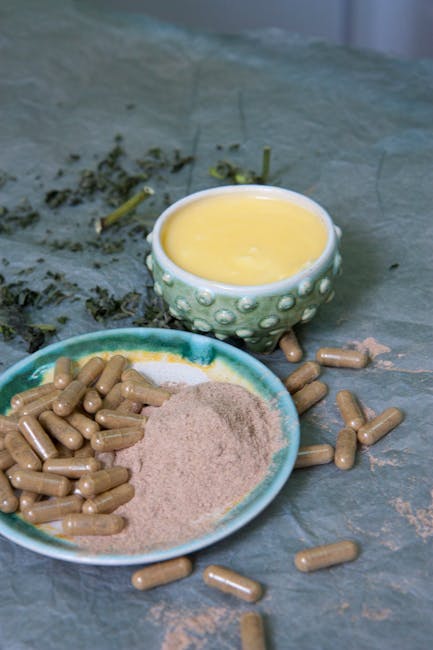
Ayurveda’s Answer to Vibrant Health: Dive into Triphala’s Benefits
In the heart of ancient Indian medicine lies a remedy that offers secrets to the fabled fountain of youth – Triphala. Derived from three Sanskrit words, “tri” meaning three, “phala” meaning fruits, and “churna” meaning powder, Triphala is a harmonious concoction of three powerful fruits: amla, haritaki, and bibhitaki. This time-honored approach to health has been trusted for centuries, and Triphala stands at the forefront of its restorative abilities. Let us embark on a journey to uncover the transformative properties of Triphala and how it can bring a newfound vitality and balance to your life.

The Power of Triphala in Ayurveda
In Ayurveda, the ancient Indian science of life, the balance of the body, mind, and consciousness is crucial for overall well-being. Triphala plays a pivotal role in maintaining this harmony. Dr. Vasant Lad, an Ayurvedic physician, and director of the Ayurvedic Institute in Albuquerque, NM, explains, “Triphala supports the body’s natural ability to cleanse and detoxify. It provides a powerful, yet gentle internal cleansing effect, nourishing the digestive tract and eliminating waste.”
The remarkable benefits of Triphala stem from the unique combination of its three components:
- Amla (Emblica officinalis): Rich in antioxidants and vitamin C, amla promotes immune function and acts as a potent free-radical scavenger, protecting the body from oxidative damage.
- Haritaki (Terminalia chebula): A renowned herb with anti-inflammatory and antiviral properties, haritaki supports a healthy gut, encourages balanced metabolism, and promotes regular bowel movements.
- Bibhitaki (Terminalia bellirica): Bibhitaki helps eliminate toxins from the body, supports respiratory health, and maintains healthy cholesterol levels.

The Trifecta of Benefits
Triphala’s unique combination of these three powerful fruits provides a multitude of benefits that cater to various aspects of health and wellness:
- Gastrointestinal Health: Triphala’s ability to nourish and cleanse the digestive system restores balance and optimal function. It treats and prevents common digestive issues such as bloating, gastritis, and IBS.
- Immunity: With its rich antioxidant profile, Triphala strengthens the immune system and wards off infections.
- Anti-Aging: Triphala’s antioxidant and anti-inflammatory properties work together to delay aging by reducing oxidative stress.

ImageBy: Cup of Couple
Integrating Triphala into Daily Life
Triphala brings about transformative change to one’s health with continuous, disciplined use. To fully experience its benefits, consider incorporating it into your daily routine.
For optimal absorption, consume Triphala in powder or capsule form with warm water 30 minutes before bedtime or two hours after meals. Triphala can be used as a long-term tonic or for shorter periods of detoxification and rejuvenation.
It’s crucial to remember that Ayurveda promotes balance in all aspects of life, and consistent habits, including proper nutrition, sleep, exercise, and stress management, significantly enhance the overall efficacy of Triphala and its impact on health.
Conclusion
Triphala, the ancient Ayurvedic remedy, stands as a testimony to nature’s healing power. Its potent benefits, ranging from digestive health to anti-aging properties, position it as a crucial component in the pursuit of vibrant well-being.
By integrating Triphala into daily life, one can unlock the potential of this holistic approach, fostering harmony and balance between the body, mind, and consciousness.
References:
- Lad, V. (2012) The Complete Book of Ayurvedic Home Remedies. Three Rivers Press.
- Sairam, K., et al. (2006) “Randomized, double-blind, placebo-controlled clinical trial of a herbal formulation, Triphala, in patients with chronic constipation.” Journal of Ethnopharmacology
- Hota, N., et al. (2013) “Triphala guggulu and bacopa monnieri extracts ameliorate rotenone-induced oxidative damage in Caenorhabditis elegans.” Journal of Medicinal Food
- Bhattacharya, S.K., et al. (2006) “Anti-ulcer activity of Terminalia chebula Retz.–a review.” Journal of Ethnopharmacology
- Chatterjee, A., et al. (2011) “Randomized controlled trial of Triphala in patients with chronic constipation.” Phytotherapy Research.
Discover more from Bright Health
Subscribe to get the latest posts to your email.